
The world of industrial automation has witnessed significant transformations over the years, driven by advances in technology and the increasing need for efficiency and productivity. At the heart of this evolution are Programmable Logic Controllers (PLC) and Distributed Control Systems (DCS), which have been pivotal in managing and automating industrial processes. Understanding what’s new in PLC and DCS is crucial for industries aiming to stay competitive and embrace the future of manufacturing.
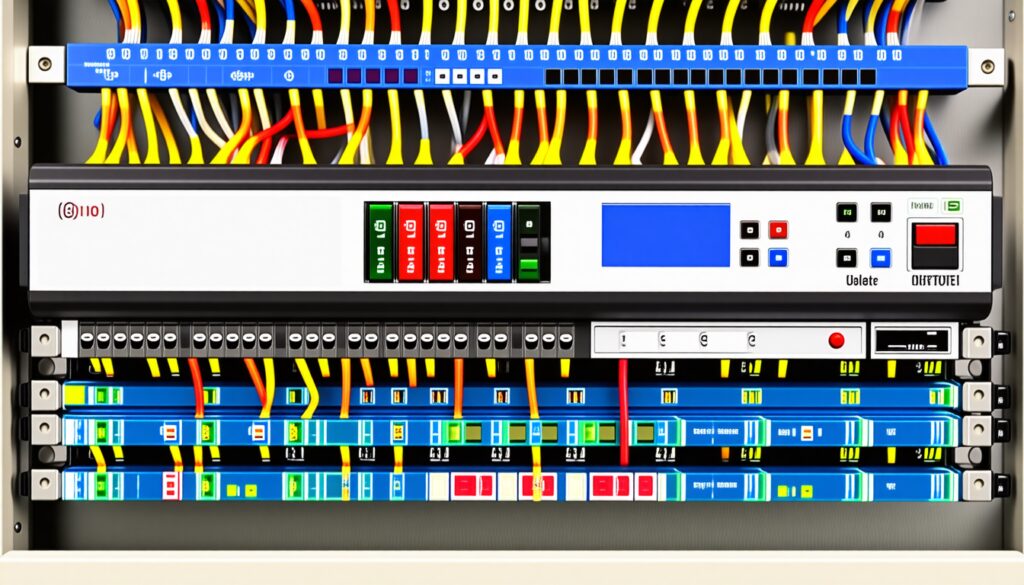
PLCs are computer-based devices that control industrial equipment and processes. They are designed to withstand harsh environments and are widely used in manufacturing, oil and gas, and other sectors. DCS, on the other hand, is a more complex system that distributes control across the entire plant, using a network of controllers and devices. DCS is known for its ability to handle large, intricate processes and provide real-time data analysis and control.
Advancements in PLC Technology
Recent years have seen significant advancements in PLC technology, including improved processing power, enhanced security features, and better connectivity options. Modern PLCs are capable of handling more complex logic and can integrate with a variety of devices and systems, including those using different communication protocols. The integration of PLCs with Internet of Things (IoT) devices has also become more prevalent, allowing for real-time monitoring and control of industrial processes from anywhere in the world.
Evolution of DCS Systems
DCS systems have also undergone substantial evolution, with a focus on greater flexibility, scalability, and integration with other systems. The development of hybrid DCS systems that combine traditional DCS with PLC technology has provided industries with more versatile control solutions. Furthermore, the incorporation of advanced software and analytics tools into DCS has enabled better process optimization, predictive maintenance, and energy management.
Impact of Industrial Automation on Industries
The advancements in PLC and DCS have had a profound impact on various industries. In the manufacturing sector, these technologies have led to improved product quality, reduced production times, and lower costs. In the oil and gas industry, they have enhanced operational safety, optimized production processes, and facilitated compliance with regulatory requirements. The adoption of PLC and DCS has also been instrumental in the development of smart grids and renewable energy systems, contributing to a more sustainable and efficient energy sector.
Challenges and Future Directions
Despite the numerous benefits, the integration of PLC and DCS also presents several challenges, including cybersecurity threats, the need for skilled personnel, and the complexity of system integration. Future developments are expected to focus on addressing these challenges, with an emphasis on cybersecurity, artificial intelligence, and the further integration of industrial automation with IoT and cloud computing technologies.
Emerging Trends and Technologies
Emerging trends such as edge computing, 5G networks, and digital twins are set to play a significant role in the future of industrial automation. Edge computing will enable faster data processing and reduce latency, while 5G networks will provide the high-speed connectivity required for real-time control and monitoring. Digital twins, which are virtual replicas of physical assets, will allow for simulated testing, predictive maintenance, and optimized performance.
As industries continue to evolve and embrace new technologies, the role of PLC and DCS will become even more critical. The ability to adapt to these changes and leverage the latest advancements in industrial automation will be key to staying competitive in a rapidly changing world. With ongoing innovations and the integration of emerging technologies, the future of PLC and DCS looks promising, offering unprecedented levels of efficiency, productivity, and innovation. The journey towards a more automated and connected industrial landscape is well underway, and the impacts will be felt across all sectors, transforming the way we produce, consume, and interact with the world around us.
PLC, DCS, Industrial Automation, IoT, Manufacturing, Oil and Gas, Smart Grids, Renewable Energy, Cybersecurity, Artificial Intelligence, Edge Computing, 5G Networks, Digital Twins”,
“A photorealistic image of a modern industrial control room with large screens displaying real-time data and several operators monitoring the systems. In the background, a window overlooks a sprawling industrial complex with various machinery and pipes. The atmosphere is one of high-tech efficiency and precision, with a subtle glow of LED lights and computer screens illuminating the room. The operators are diverse, wearing casual yet professional attire, and are engaged in discussions or focused on their tasks, conveying a sense of collaboration and expertise.”,
“industrial control room monitors”