
The industrial automation sector has witnessed significant transformations over the years, driven by advancements in technology and the increasing demand for efficient and reliable systems. At the heart of this evolution are Programmable Logic Controllers (PLC) and Distributed Control Systems (DCS), which have played pivotal roles in shaping the landscape of industrial automation. This article delves into the recent developments and innovations in PLC and DCS, highlighting their impact on modern industrial processes.
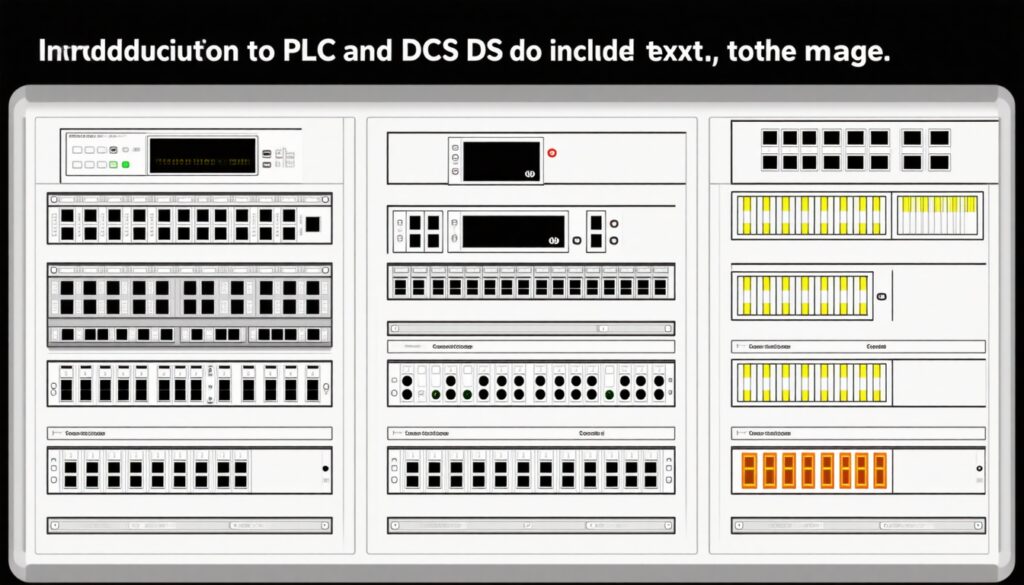
PLCs are computer-based devices that control and monitor industrial processes. They are designed to be rugged and capable of withstanding harsh environments, making them ideal for use in manufacturing, oil and gas, and other sectors. DCS, on the other hand, are systems that distribute control across multiple devices, allowing for more complex and integrated control over industrial processes. Both PLC and DCS have been instrumental in enhancing efficiency, productivity, and safety in industrial settings.
Advancements in PLC Technology
Recent years have seen significant advancements in PLC technology, including the development of more powerful processors, improved programming software, and enhanced communication capabilities. These advancements have enabled PLCs to handle more complex tasks, integrate with other systems more seamlessly, and provide real-time data for better decision-making. Furthermore, the advent of IoT (Internet of Things) technology has opened up new possibilities for PLCs, allowing them to connect with a wider range of devices and systems, thereby facilitating more comprehensive automation solutions.
Evolution of DCS
DCS have also undergone considerable evolution, with modern systems offering greater flexibility, scalability, and interoperability. The integration of DCS with other technologies such as MES (Manufacturing Execution Systems) and ERP (Enterprise Resource Planning) has become more prevalent, enabling more holistic control over industrial operations. Additionally, the development of hybrid DCS, which combines the benefits of traditional DCS with those of PLCs, has provided users with more versatile and cost-effective solutions for process control.
Impact of New Technologies on PLC and DCS
The emergence of new technologies such as artificial intelligence (AI), machine learning (ML), and edge computing is poised to further transform the PLC and DCS landscape. The integration of AI and ML into PLC and DCS can enhance predictive maintenance, optimize process control, and improve overall system efficiency. Edge computing, by enabling data processing closer to the source, can reduce latency, enhance real-time control, and increase the security of industrial automation systems.
Challenges and Opportunities
Despite the numerous benefits offered by PLC and DCS, their adoption and implementation are not without challenges. Issues such as cybersecurity, interoperability, and the need for skilled personnel can hinder the effective deployment of these systems. However, these challenges also present opportunities for innovation and growth. The development of more secure, user-friendly, and integrated solutions can drive the next wave of advancements in industrial automation, making PLC and DCS even more indispensable to modern industry.
Future Perspectives
Looking ahead, the future of PLC and DCS appears promising, with ongoing research and development aimed at enhancing their capabilities and addressing current limitations. The integration of emerging technologies, coupled with the increasing demand for smart and connected industrial solutions, is expected to propel the growth of the PLC and DCS market. As industries continue to seek more efficient, productive, and sustainable operations, the role of PLC and DCS in achieving these goals will only continue to expand.
As we move forward in this era of rapid technological change, the continuous evolution of PLC and DCS will be pivotal in meeting the evolving needs of industries worldwide. By embracing innovation and addressing the challenges that lie ahead, we can unlock the full potential of industrial automation, paving the way for a more efficient, sustainable, and connected future. The journey ahead promises to be exciting, with each new development in PLC and DCS bringing us closer to realizing the full benefits of industrial automation and its potential to transform the world.
“PLC, DCS, Industrial Automation, IoT, AI, ML, Edge Computing”,
“image_prompt”: “A photorealistic image of a modern industrial control room with large screens displaying real-time data and graphs. In the foreground, a control panel with a PLC device and a DCS system interface are prominently visible. The background shows a bustling factory floor with automated machinery and workers in hard hats, emphasizing the integration of technology with human labor. The lighting is bright and the atmosphere is one of efficiency and innovation.”,